LINK:
Indígenas mexicanos transforman un Volskwagen en una obra de arte - CNNMéxico.com

Vochol® es un proyecto de la Asociacion de Amigos del Map, A.C, esta nace como una iniciativa para promover, exhibir y apoyar el Arte Popular Mexicano. Vochol® is a project of the Friends Association of the Museo de Arte Popular, it was created as an initiative to promote, showcase and support the Mexican Folk Art AAMAP/Museo de Arte Popular, Revillagigedo esq. Independencia, Col. Centro Historico de la Ciudad de Mexico. facebook.com/amigodelmap Agradecemos el patrocinio de Zurich
lunes, 28 de marzo de 2011

lunes, 14 de marzo de 2011
VOCHOL® Calendar / Calendario

EXHIBICIONES PROXIMAS EN CD DE MEXICO:
MUSEO DE ARTE POPULAR: 12 ABRIL AL 1 DE MAYO 2011
PALACIO DE HIERRO DE PLAZA MOLIERE, POLANCO: 2 AL 10 DE MAYO 2011
CONTACT: amigosdelmap@gmail.com
martes, 1 de marzo de 2011
Vochol®; The Project / El Proyecto
 |
| Fotografia: alexpiedrabuena.com |

vochol®
h u i c h o l A R T O N W H E E L S
Vochol® is the first Huichol objet d’art on wheels in the world. This is unprecedented –never to be repeated in the history of popular art– and spectacularly extols the cultural and artistic wealth of Mexico.
THE PROJECT
In 2010, the Museum of Popular Art (MAP) and the Association of Friends of the Museum of Popular Art (AAMAP), together with the governments of the States of Jalisco and Nayarit, embarked on the Vochol® project.
This innovative project is a testimony to the artistic abilities of the Huichol people, an indigenous group, instantly captivating viewers through the enigmatic beauty and original design employed in the project.
Eight Huichol artists devoted more than nine thousand hours of their time to transferring their inspiration to a magical, colorful design embedded on a Volkswagen car by way of canvas. The minute, detailed work entailed covering the body of the car with more than 90 kilograms of glass seed beads, as well as the use of diverse techniques and materials to cover the seats of the car, decorate the rims, the steering wheel and the dashboard.
A broad program of promotional activities to publicize the existence of Vochol® will be implemented throughout 2011 at the national and international levels. The project will conclude with the international sale and/or auction of Vochol®, with all proceeds donated to the AAMAP, allowing the Association to continue upholding its objective of safeguarding and promoting the work of more than eight million Mexican artisans.
CREATION
The Vochol® intervention was carried out over more than 7 months by the hands of Huichol artists in the states of Nayarit and Jalisco. They used more than 2 million 277 thousand glass seed beads, 16 kilograms of special resin, fabric, paint and yarn.
The Cabañas Hospice in Guadalajara, Jalisco, the State Center for Popular and Indigenous Cultures in the state of Nayarit, and the Museum of Popular Art in Mexico City were the headquarters used by the Huichol artists for producing the Vochol® intervention.
WORLDWIDE PRESENTATION
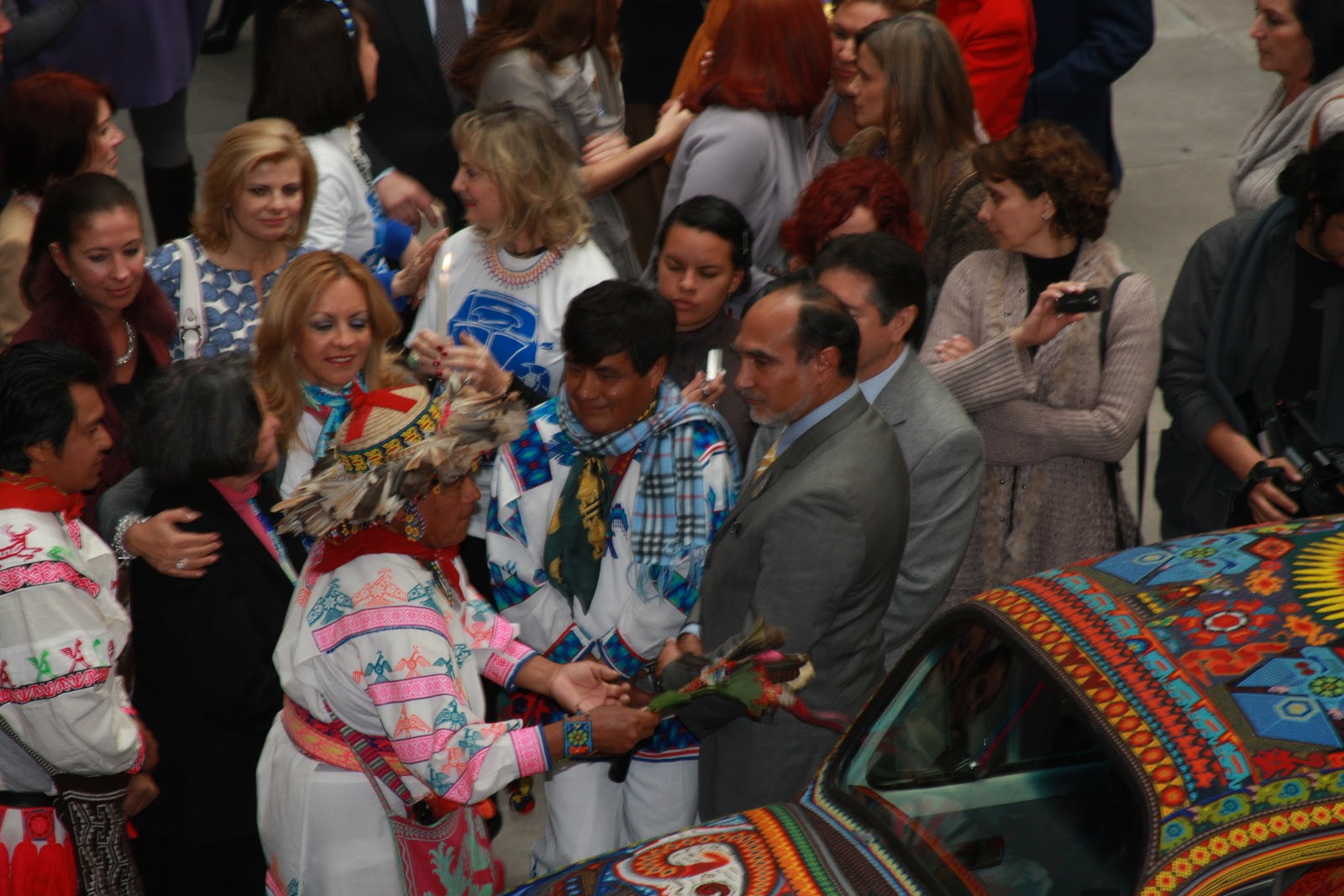
Vochol® was launched internationally at a grand event toward the end of 2010, with personalities from the political, cultural, business and social circles of Mexico in attendance, as well as national press. Guests enjoyed the performance of the traditional Huichol ceremony, led by the two artisan families who worked on the objet d’art intervention.
The event was covered by more than 35 media representatives, and Vochol® so captivated the members of national and international press that more than one hundred notes were published in Mexico’s principal electronic and printed news media, in addition to renowned media specializing in art and culture, in the wake of the official announcement.
THE HUICHOL
The Huichol group, also known as Wixaritari, is one of the best-known indigenous groups of Mexico. The Huichol have settled in the Western Sierra Madre, primarily in the region comprising the states of Jalisco and Nayarit, as well as part of Durango, Colima and Zacatecas.
Renowned and valued internationally, Huichol art work offers genuine, legendary pieces that envelop the viewer in the enigmatic beauty, amazing creativity and unique originality that characterize their designs.
Huichol art is known for its use of special techniques, such as covering surfaces with glass seed beads, wooden boards covered in colorful thread or yarn, as well as stunning garments and musical instruments.
THE MUSEUM OF POPULAR ART (MAP)
In 2006, the Museum of Popular Art (MAP) opened its doors, becoming a showcase for magnificent works of Mexican art and handcrafts, thus promoting the wealth and value of these art forms both in Mexico and abroad.
Among other objectives, MAP seeks to promote and publicize the work of these men and women who with their labor keep ancestral traditions alive, thus nourishing our identity; MAP offers temporary and permanent exhibits,
as well as extramural activities, seminars, conferences, courses and workshops.
The Museum of Popular Art enables one to discover that cultures in Mexico are not isolated; that the creation of popular art is nourished through traditions embraced by the people; and, that no tradition will survive without the creation needed to preserve it. http://www.map.df.gob.mx/
THE ASSOCIATION OF FRIENDS OF THE MUSEUM OF POPULAR ART (AAMAP)
The AAMAP creates and supports high impact projects that encourage the production of popular Mexican art and handcrafts, with the purpose of preserving the traditions and vast cultural diversity of the country. http://amigosmap.blogspot.com/
CONTACT US: amigosdelmap@gmail.com
VERSION EN ESPAÑOL:
vochol®
A r t e h u i c h o l s o b r e r u e d a s
Vochol® es el primer arte-objeto huichol sobre ruedas del mundo. Es un hecho sin precedente e irrepetible en la historia del arte popular, que enaltece de manera espectacular la riqueza cultural y artística de México.
EL PROYECTO
En 2010, el MAP y la AAMAP, en conjunto con los gobiernos de los Estados de Jalisco y Nayarit, emprenden Vochol®.
Este innovador proyecto pone de manifiesto la capacidad artística de los huicholes, un grupo indígena que cautiva instantáneamente a todo aquel que aprecia la belleza enigmática y el original diseño de sus piezas.
Ocho artistas huicholes dedicaron más de nueve mil horas para plasmar su inspiración en un mágico y colorido diseño sobre un vehículo Volkswagen que utilizaron como lienzo. Su minucioso trabajo consistió en la colocación de más de 90 kilos de chaquira en la carrocería, al igual que la aplicación de distintas técnicas y materiales para forrar los asientos del vehículo, decorar los rines, el volante y el tablero.
Durante el 2011, se desarrollará un extenso programa de actividades de promoción y difusión de VocholÒ a nivel
nacional e internacional. El proyecto culminará con la venta y/o subasta internacional de VocholÒ, donde la totalidad de los fondos recaudados será destinada para resguardar e impulsar el trabajo de los más de ocho millones de artesanos mexicanos.
LA CREACIÓN
La intervención de Vochol® se realizó durante más de 7 meses a cargo de los artistas huicholes de los estados de Nayarit y Jalisco, quienes colocaron más de 2 millones 277 mil chaquiras, 16 kilos de resina especial, tela, pintura y estambre.
El Hospicio Cabañas, en Guadalajara, Jalisco; el Centro Estatal para las Culturas Populares e Indígenas de Nayarit; y el Museo de Arte Popular en el Distrito Federal; fueron las sedes donde Vochol® fue intervenido los artistas huicholes.
PRESENTACIÓN MUNDIAL
El lanzamiento internacional de VocholÒ se llevó a cabo en un magno evento a finales de 2010. Acontecimiento al cual asistieron personalidades del ámbito político, cultural, empresarial y social de México y así como representantes de la prensa nacional. Los asistentes fueron testigos de una ceremonia tradicional huichol encabezada por las dos familias de artistas que intervinieron el arte-objeto.
VocholÒ cautivó a la prensa mexicana e internacional. El evento fue cubierto por más de 35 medios de comunicación nacionales y corresponsales de agencias internacionales de noticias. Se han publicado más de un centenar de artículos en los principales medios electrónicos e impresos de México, así como en destacados medios especializados en arte y cultura.
LOS HUICHOLES
Los huicholes, también conocidos como wixaritaris, son unos de los grupos indígenas más representativos de México. El pueblo huichol se asienta en la Sierra Madre Occidental, principalmente en la región que comprende los estados de Jalisco y Nayarit, así como parte de Durango, Colima y Zacatecas.
Reconocidas y valoradas a nivel internacional, las obras artísticas huicholes son genuinas piezas legendarias que envuelven una belleza enigmática, creatividad y una singular originalidad en cada uno de sus diseños.
El arte huichol se caracteriza por utilizar técnicas como el recubrimiento con chaquira, tablas de madera cubiertas con hilos de colores de lana o estambre, así como ropa e instrumentos musicales.
EL MAP
En 2006, el Museo de Arte Popular (MAP) abre sus puertas para convertirse en el escaparate de magníficas obras de artesanía mexicana, promoviendo así la riqueza y el valor de este arte, entre el público nacional y el extranjero.
Busca, entre otros objetivos, promover y difundir el trabajo de hombres y mujeres que mantienen vivas con su labor tradiciones ancestrales que definen y nutren nuestra identidad, por medio de sus exposiciones permanente y temporales, así como actividades extramuros, seminarios, conferencias, concursos y talleres.
A través del MAP es posible descubrir que no existen culturas aisladas en México; que la creación del arte popular se nutre con la tradición de los pueblos, y que no hay tradición que sobreviva sin creación que la conserve. http://www.map.df.gob.mx/
LA AAMAP
La Asociación de Amigos del Museo de Arte Popular (AAMAP) fue constituida para trabajar a favor del arte popular, coadyuvando en la promoción y valoración del trabajo que realizan alrededor de ocho millones de personas involucradas en los procesos artesanales en México.
La AAMAP crea y apoya proyectos de alto impacto que impulsan la artesanía popular mexicana, con el fin de preservar las tradiciones y la vasta diversidad cultural del país. http://amigosmap.blogspot.com/
CONTACTO: amigosdelmap@gmail.com
lunes, 28 de febrero de 2011
Fifth Anniversary / V Aniversario

Congratulations Museum of Popular Art on it Fifth Anniversary / Felicidades al Museo de Arte Popuar en su V Aniversario
En el marco de la celebración del V Aniversario del Museo de Arte Popular CONACULTA, a través de su Sala de Prensa, emitió el siguiente boletín:
http://amigosmap.blogspot.com/2011/02/map-cinco-anos-de-ser-un-referente.html
http://amigosmap.blogspot.com/2011/02/map-cinco-anos-de-ser-un-referente.html
lunes, 21 de febrero de 2011
VOCHOL® PRESS RELEASE


Unique glass seed bead design
h u i c h o l A R T O N W H E E L S
- Captivating in its beauty, Vochol® offers the opportunity to connect to a culture of rites, dexterity and sensitivity
- Some 2 million 277 thousand glass seed beads were used in its design, in addition to 16 kilograms of special resin, paint, yarn and other materials
- This highly original and colorful work will be on display at the Museum of Popular Art through April 2011
Vochol® also embodies an unprecedented event in the history of popular art in Mexico and, indeed, in the world: two families of Huichol artisans from the states of Nayarit and Jalisco in Mexico took as their canvas the real chassis of an automobile and produced an exclusive design using glass seed beads as their medium.
The Asociación de Amigos del Museo de Arte Popular or AAMAP (The Association of Friends of the Museum of Popular Art), together with the support of the Governments of the States of Nayarit and Jalisco, as well as various public and private institutions, made this project – more than one year in the making – a reality.
The Huichol artisans began the Vochol® intervention in May of 2010 at the Cabañas Hospice in Guadalajara, Jalisco, and continued their work at the State Center for Popular and Indigenous Cultures in the state of Nayarit.
Following 9 thousand 408 hours of work over a seven-month period, and the use of 2 million glass seed beads –equal to 90 kilograms–, 16 kilograms of special resin, fabric, paint and yarn, as well as the creative inspiration of the Wixarikas (Huicholes from the Central West of Mexico), the car arrived at the Museum of Popular Art (MAP), where the finishing touches were added.
This is truly an unprecedented work, one that embodies the ethos of a culture that sees the world through a polychromatic glass, a culture that knows how to fuse that which is real and that which is imaginary. It bespeaks the spectacular wonders of popular art in Mexico.
The convergence of design and color offer the ideal opportunity to become tightly intertwined with a culture of rites, dexterity and sensitivity, resulting in a veritable explosion of originality and colorful beauty.
Following its exhibit period at the MAP, Vochol® will leave on a promotional tour, to ultimately be auctioned internationally. All proceeds will be donated to the AAMAP, allowing the Association to continue upholding its objective of promoting the work of some eight million persons involved in the creation of popular art in Mexico.
These actions exemplify what can be achieved through joining efforts and willpower, and thus benefit the men and women artisans of Mexico.
Interested viewers may visit the official website www.vochol.org.mx, as well as AAMAP’s popular blog http://amigosmap.blogspot.com
Huichol culture
Surviving annihilation and spiritual conquest, the Huichol people are the remnant of the purest of indigenous races. They have become the repository for the tradition and origin that they have carefully preserved over the centuries.
The Huichol continue to worship their ancestral gods, their sacred and powerful peyote, the sun god, the deer god, and the corn god, the father and lord of all signs, hallucinations and the begetter of life and death.
They have now settled in the Western Sierra Madre, primarily in the region comprising the states of Jalisco and Nayarit, as well as part of the states of Durango, Colima and Zacatecas.
The Huichol have for many generations been outstanding embroiderers, and great shamans and tellers of myths and tales. They retain strong links and connections to their natural environment – the means to establishing contact with their ancestral deities.
Perhaps they are the greatest pilgrims the world has ever seen. They feel the need to reconstruct the creative deeds of their gods at the sites where these took place, traveling for four or five months at a time to distant places such as the Chapala Lake, the sea and the magical land of the Wirikuta people, home to peyote.
Enigmatic in its beauty, Huichol art hides unexpected symbols in its designs, techniques and materials, transporting us to a universe in which every creation takes on cosmogonic qualities.
The Huichol people have gained international renown, thanks to their fine embroidery work and woven textiles, to their ritual objects, and especially their stone sculptures, votive arrows and calabashes decorated with glass seed beads.
AAMAP/VA/EO
Oh Huichol, you who are renowned in the domains of your tribe,
proud of the freedom and limpidness of your race…
a man who has stopped time in his surroundings
as his reed flute echoes
under the eaves of his hut.
ASSOCIATION OF FRIENDS OF THE MUSEUM OF POPULAR ART
CONTACT US: amigosdelmap@gmail.com
miércoles, 9 de febrero de 2011
SIMBOLOGIA HUICHOL / HUICHOL SYMBOLISM

Mara’akame o Shaman
This section represents a maize offering ceremony. It displays a drum, fire, squash and maize.

Deer (Maxa)
The deer is one of the most important animals in Huichol culture. The deer is the older brother, the wiser brother, and one who knows all and understands all. Because of these attributes, the deer can be found at points all over the car.

Two-headed Eagle
The double-headed eagle can be found at the four cardinal points of the car. It symbolizes the communication bridge between God and man. The eagle’s two heads allow it to have double vision over the world. In addition, the eagle is accompanied by the talismanic Ojo de Dios immediately above it.

Lizard
It is said that in many years ago, the Gods were searching for someone to represent the opposite of night. A child with a good heart was chosen. He was thrown into the fire and converted into the day, into the sun. The lizard is the animal that takes care of Grandfather Fire. The Huichol also believe that lizards, together with scorpions, protect humans from evil. However, they only protect when humans have been good to them.

The Offering
This scene represents an offering to the flood. According to Huichol tradition, there was a flood many years ago in Lake Chapala, Jalisco. The boat depicted in this scene is full of seeds -- maize seeds, bean seeds and more. A Huichol woman at one of the cardinal points caries a gourd to collect these seeds.

Eagle
The eagle is a symbol of the communication link between God and man.

The Snake
The snake guides water. The clouds that surround her symbolize that it is she, the snake, who brings water to the earth.

The Nakawe Canoe
The canoe and the scene around it represent, once again, the flood that occurred at Lake Chapala. The image of a dog in this scene reminds us that in ancient times, the woman did not exist. She is created out of a dog. She is a descendant of the dog.
VERSION EN ESPAÑOL: http://amigosmap.blogspot.com/2011/01/simbologia-huichol.html
VERSION EN ESPAÑOL: http://amigosmap.blogspot.com/2011/01/simbologia-huichol.html
jueves, 13 de enero de 2011
PICTURES OF THE OPENING AT THE MUSEO DE ARTE POPULAR OF VOCHOL®/FOTOGRAFIAS DE LA PRESENTACION MUNDIAL DE VOCHOL® EN EL MAP
 |
| Mtro. Alvaro Ortiz y Consuelo Saizar |
 |
| Alejandro Cravioto, Walter Boelsterly, Mtro Francisco Bautista, Sonya Santos y Cecilia Moctezuma |
 |
| Marie Therese Arango, Fernanda Suarez, Mtro Alvaro Oritz, Consuelo Saizar, Cecilia Moctezuma y Alejandro Cravioto |



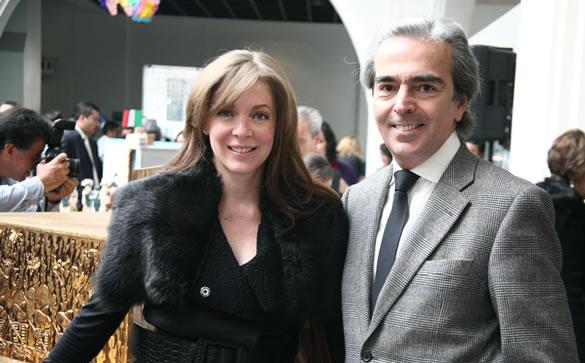 |
| Edith Gonzalez y Lorenzo Lazo |
Suscribirse a:
Entradas (Atom)